


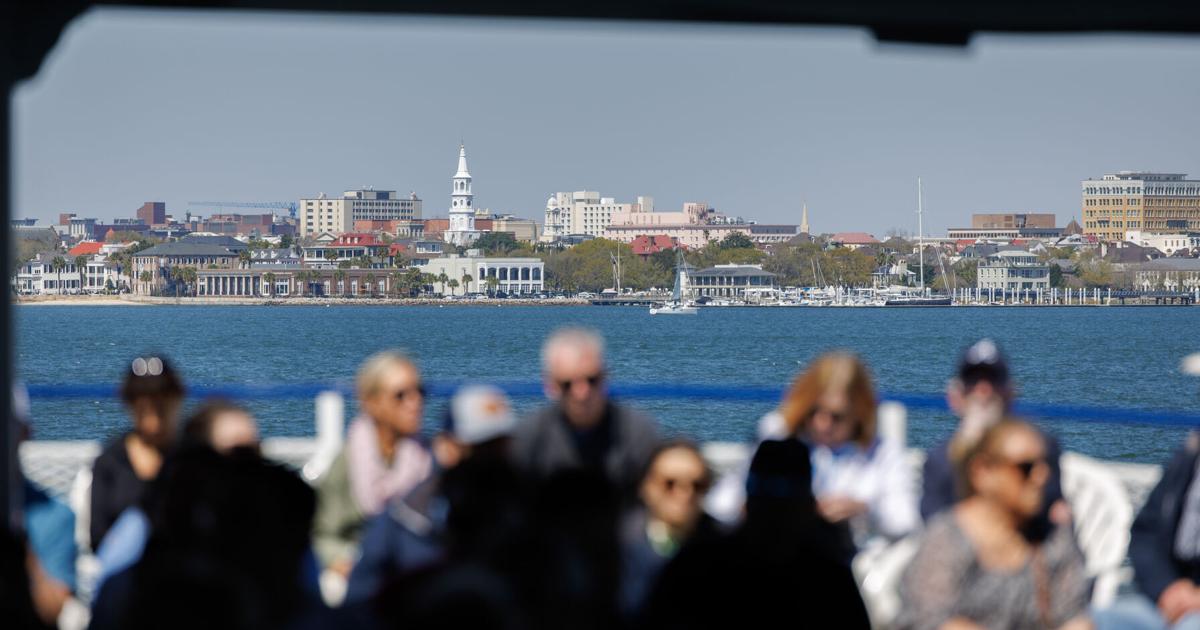
Charleston is likely going to need the new hotels already in the works for 2025.
The region’s hospitality industry generated a record $14 billion economic impact last year from the 7.8 million visitors it welcomed, according to new data.
Tourism’s financial punch grew by 6.8 percent over the previous high set in 2023 while the number of visitors edged up by 1.2 percent, the College of Charleston found in its latest study.
The analysis comes at a time when the impact of tourism and the future of the industry are being weighed by city officials and others.
Daniel Guttentag, director of the college’s Office of Tourism Analysis, said 2024 ended on a high note, with December being one of the strongest months for hotel performance year-over-year.


Second Sunday is a monthly pedestrian-friendly event on King Street in downtown Charleston.
Tourism’s economic impact has jumped by 45 percent since 2019, with the number of visitors increasing by 6 percent in that time.
Guttentag said all the major indicators, such as average hotel occupancy rates and industry employment numbers, were all up.
“We’re not seeing explosive growth of more overnight visitors — what we see is a continued trend of gradual growth of more higher-value visitors,” Guttentag said. “We see this with air travelers, who tend to stay longer and spend more than average visitors. And events like the new Food + Wine Classic, for example, that tend to appeal to a more affluent type of visitor.”
With its attractions and sunny weather, Charleston’s tourism season has lost some of it seasonal “shoulder” periods as the region becomes a year-round destination. Nevertheless, the springtime peak is in full swing now as more visitors line the streets, events kick off and hotel occupancy rises.
Tourism’s impact
Hospitality remains a double-edged topic in Charleston, as hotel development pressure builds and the cost-of-living on the peninsula has become less affordable for residents.
The city is looking at new ways to balance tourism and livability concerns. It’s working with Explore Charleston, Historic Charleston Foundation and Bloomberg Associates to conduct data-driven research and generate recommendations by the fall, so officials can update the strategic plan for responsible management policies.
link