





The high demand for major tourist attractions worldwide is prompting governments, destination managers and travel services suppliers to rethink pricing and distribution as they try to balance access with the impact of visitors on cultural sites. Cities,
operators and policymakers must reconsider ticket sales, who gets access and what fair visitation looks like as post-pandemic tourism rises.
In April, Italy’s antitrust authority, Autorità Garante della Concorrenza e del Mercato (AGCM), fined CoopCulture and six tour operators €20 million for practices that effectively limited fair access to the
Colosseum in Rome. CoopCulture, which managed the monument’s official ticket portal, allegedly enabled the hoarding of tickets using bots and restricted availability to regular buyers.
“On the one hand, CoopCulture failed to take adequate steps to counter automated ticket hoarding,” AGCM said. “On the other, it kept a sizeable share of tickets for bundled sales tied to its own educational tours, which generated considerable profits.”
AGCM fined resellers, including Tiqets, GetYourGuide, Walks, Italy with Family, City Wonders and Musement.
“The operators benefited from the constant unavailability of tickets, which left consumers seeking access to the Colosseum with no choice but to purchase them through these channels—often at much higher prices due to the bundling with additional services,”
AGCM said.
Subscribe to our newsletter below
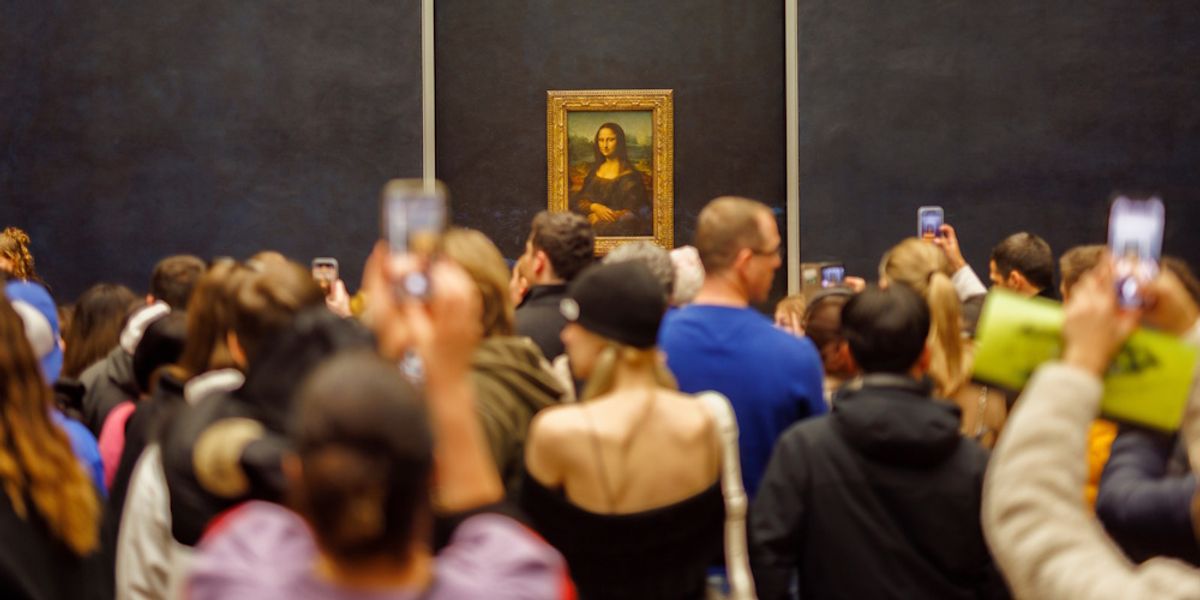
Elsewhere in Europe, iconic institutions are buckling under similar strains. On June 16, Louvre Museum staff in Paris walked off the job to protest what they called “untenable” working conditions caused by mass tourism. Visitor volumes now exceed 8.7
million annually, more than twice the museum’s design capacity.
Earlier this year, French President Emmanuel Macron announced a renovation budget of €730 million to €834 million, with plans that include creating a separate room for the overcrowded “Mona Lisa.” However, such plans will take years to realize. In the
meantime, the Louvre will raise ticket prices for non-European Union visitors. These measures may help raise more funds to preserve the museum, but raising prices for foreign visitors also raises an ethical concern over restricting access to national
treasures exhibited at the Louvre for citizens of the countries where those artifacts originated.
Using dynamic pricing and data
Some museums and zoos have turned to market-based solutions to manage pricing in the United States. Zoo New England in Boston, for instance, has contracted with
Digonex to implement dynamic pricing, a tool that raises or lowers ticket prices in real-time based on demand.
Johannes Reck, co-founder of GetYourGuide, said dynamic pricing is underutilized in the tourism sector.
“Dynamism is a mechanism that has been used with great success and just hasn’t arrived yet in the experiences industry,” Reck said in a recent
interview with PhocusWire.
He believes dynamic pricing could help smooth visitor surges. “Even in the peak times, the problem is not that there are too many tourists in the city, per se, versus the load in certain areas.”
Reck also espouses better data analytics and flexible ticket management.
“The problem is essentially that you have a lot of inventory that’s not managed,” he said. “And I think this will actually have a great impact on overtourism.”

Dynamism is a mechanism that has been used with great success and just hasn’t arrived yet in the experiences industry.
Johannes Reck, GetYourGuide
GetYourGuide has taken proactive steps to address the visitor imbalance. In Barcelona, it launched the “Observatory” with local partners, including Amics de la Rambla and Barcelona City Hall, to gather data on the impact of tourism on La Rambla. The project
aims to track tourism’s economic and social effects, helping stakeholders craft policies.
In Florence, Italy, the company removed “alcohol tours” like pub crawls, from its platform in coordination with local authorities. Catherine Treyz, head of corporate communications at GetYourGuide, said, “We believe this action promotes the ‘livability’
for locals while boosting a pleasant experience for visitors.”
At Civitatis, chief operating officer Enrique Espinel also sees a need for systemic reform.
“Overcrowding at tourist sites has become a major challenge for the travel industry, particularly after the pandemic reshaped travel habits. Many popular destinations—especially major cities and well-known islands—face intense pressure during peak travel
periods,” he said. Crowds, he noted, threaten visitor satisfaction, site preservation and quality of life for locals.
Espinel proposed deseasonalization and a balanced distribution that includes small operators.
“We believe a more equitable distribution of tickets requires multiple approaches,” he said. These include spreading demand to lesser-known attractions and promoting off-season travel.
“Additionally, spreading demand throughout the year with deseasonalization initiatives helps avoid peak-time saturation. Alongside these measures, strategic marketing efforts—including targeted campaigns and collaboration with influencers—can play a significant
role in raising awareness among travelers and guiding them toward alternative experiences and times, helping to balance visitor flows and reduce overcrowding.”
Espinel said that ensuring a fair distribution of tickets is a shared responsibility between destination management organizations and local authorities working with attraction operators. Online travel agencies and tour operators should promote responsible
practices and be transparent about pricing.
“At Civitatis, we do not sell tours by adding markups without any added value to compete with on-site ticket sales. That is not our goal,” Espinel said. “What we do is provide value to the traveler with an added benefit—a quality and curated guided tour
in his own language—and therefore to the attraction, always respecting their specific distribution policies.”
“Attraction operators should implement fair allocation systems to serve groups of all sizes,” he added, noting that travelers themselves must be part of the solution. “They need to be encouraged to make informed and sustainable choices.”
The role of technology
According to Espinel, technology can play a fundamental role in balancing access and sustainability.
“Digital ticketing systems can regulate visitor numbers in real time to prevent overcapacity. Online platforms can offer travelers a wider variety of options, including lesser-known destinations,” he said. “Data analytics enable better monitoring of tourist
flows and support informed decision-making by stakeholders, providing insights into peak times and popular attractions. Moreover, technology empowers local providers by facilitating their integration into global markets and offering tools to manage
bookings efficiently.”
Tourism expert Doug Lansky said destinations should adopt a “culture pass” Disney theme park model, with tiered access offered to those who spend more during their stays.
“They make sure they set up their system to cash in and leverage that premium product. I feel like tourism is behind in that,” he said.
Data analytics enable better monitoring of tourist flows and support informed decision-making by stakeholders, providing insights into peak times and popular attractions.
Enrique Espinel, Civitatis
Destinations could link access to key attractions to higher-value overnight stays or travel packages.
“When you get an Airbnb of a certain value or a hotel of a certain value, you get it automatically,” Lansky said. Other visitors would need to pay for their culture pass. To ensure fair distribution, profits from high-end passes could subsidize access
for lower-income seniors, students and residents.
Lansky warned against leaving access up to market forces alone. “There’s a benefit to not being elitist, not just in perception, but because those students and lower-income people may become high-spend visitors in the future,” he said.
Most critically, Lansky supports proactive destination management.
“We need to start looking at [destinations] the same way we look at national parks…if this is a destination worth visiting, it’s also worth protecting the experience. We now know that too much of anything—whether it’s cheesecake or tourists—it’s a bad
thing.”
link
More Stories
2026 Shropshire Business Awards: A Renewed Focus on Tourism and Innovation
IS YOUR BUSINESS VISITOR READY?
2026 Tourism Climate Adaptation and Environmental Sustainability Business Survey Launches – Destination BC