





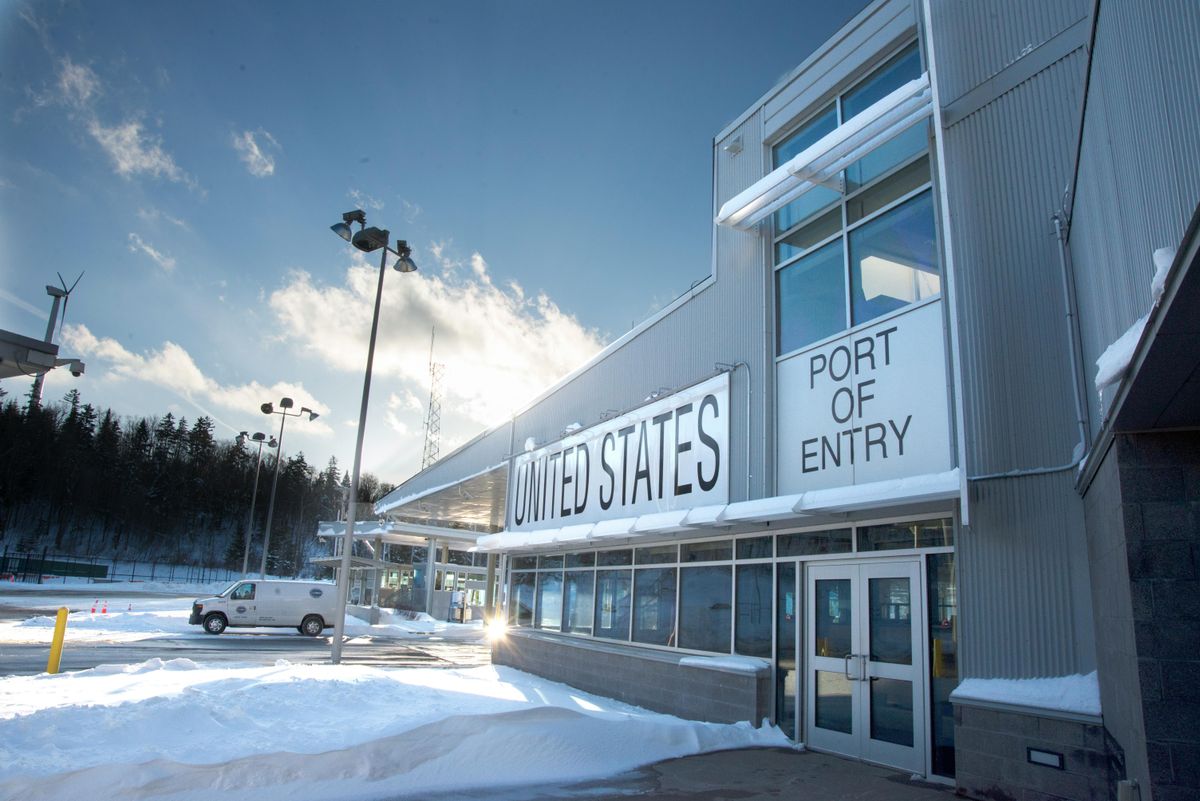

2025 was a staggeringly bad year for Canadian-U.S. transborder tourism. Descriptors like “fell off a cliff,” rather than being over-exaggeration, are sadly accurate. Every month, Statistics Canada reports on the number of Canadians returning across our border and every month it was a similar story: Canadians travelled to the U.S. in significantly fewer numbers than they did in 2024.
Related: StatsCan Travel Figures Show Continued Trend
Besides instigating a destructive trade war and offensively suggesting we hand over our sovereignty, the Trump government has introduced a series of border security measures that make travelling between our two countries increasingly difficult.
Crossing the border now entails threatened invasive searches of social media, submitting to photos that will be held by the U.S. government for 75 years, possible difficulties if your passport has a gender marker not recognized by the U.S. and a somewhat unclear process for snowbirds and those staying longer than 30 days.
Plenty of Canadians have decided the hassle isn’t worth it, opting to stay in Canada or travel internationally instead.
It stands to reason that with all this, some Americans are wondering if they will be welcomed in Canada should they visit. To ensure they know they and their tourist greenbacks are indeed still welcome, tourism boards are coming up with creative marketing ideas, including Destination Canada’s “OpenHome” campaign.
Related: ‘There’s Always Room for One More:’ Destination Canada Invites Americans to Dinner
In an effort to urge renewed cross border travel, the Beyond Borders Tourism Coalition (BBTC) was formed. The organization is a “united front of major associations who would rather be promoting increased visitation than explaining new surcharges.” Membership is made up of:
- United States Tour Operators Association (USTOA) and Canadian Association of Tour Operators (CATO)
- American Bus Association (ABA), United Motorcoach Association (UMA)
- Adventure Travel Trade Association (ATTA), National Tour Association (NTA), International Inbound Travel Association (IITA) and Student & Youth Travel Association (SYTA)
- Indigenous Tourism Association of Canada (ITAC), American Indigenous Tourism Association (AITA), and Destination Original Indigenous Tourism (DOIT)
- Destinations International
There are several recommendations from the BBTC to promote a return to the friendlier feelings of before. According to a release to the press, they include:
- Stop the surprise‑fee era: No more dropping major price changes – like per‑person international park surcharges or new CUA fee structures – into a season that was sold a year and a half ago. Give operators clear timelines, real consultation and enough runway to adjust without blowing up contracts and customer trust.
- Dial down the tariff theatrics: Reassess travel‑related tariffs and cross‑border costs that may play well in a soundbite but quietly drain billions from border economies and small businesses.
- Retire the tough‑talk tourism strategy: Replace annexation jokes and “foreigners must pay up” messages with pro‑tourism, pro‑trade language that reflects how many jobs, tax dollars and community projects rely on visitors from our neighboring countries.
- Invest in the relationship, not just the rhetoric: Back joint marketing, recovery programs and support for gateway and Indigenous communities so they are not left holding the bill for policies they did not design.
“Every $100 surprise at a park gate, every new tariff, every off‑the‑cuff negative comment about our closest neighbor sends a signal,” says Shannon Stowell, President of the ATTA and initial founder of the BBTC. “Right now, that signal is: ‘Maybe don’t come or maybe you won’t be welcome.’ Our ask is simple: stop making it harder and more expensive for Canadians and Americans to visit each other and start acting like the longest undefended border in the world, and our subsequent longstanding relationships, are still something worth exploring and protecting– together.”
Related: Canada Updates U.S. Travel Advisory: New Warning Added
Topics From This Article to Explore
link
More Stories
2026 Shropshire Business Awards: A Renewed Focus on Tourism and Innovation
IS YOUR BUSINESS VISITOR READY?
2026 Tourism Climate Adaptation and Environmental Sustainability Business Survey Launches – Destination BC